Do We Have Enough Evidence? Proving a Real Marriage to USCIS

As a couple applying for a marriage‑based green card, one of the most stressful questions is: “Do we really have enough proof that our marriage is real?” USCIS does not expect your life to look like anyone else’s, but they do expect to see documents and details that show you have built a genuine life together, not just a paper marriage for immigration purposes.
What counts as a “valid” marriage for immigration?
For immigration purposes, a valid marriage is one that:
Was legally valid where it was performed (you followed the local laws and procedures).
Was entered into in good faith, meaning you intended to build a life together as spouses, not just to get an immigration benefit.
Is not barred by law (for example, not bigamous, incestuous, or otherwise void under the law where it took place).
USCIS looks at both the legal paperwork (marriage certificate, prior divorce decrees) and the real‑world evidence of your shared life to decide whether a marriage is valid and bona fide.
Evidence Categories USCIS Cares About
Financial Evidence
These documents show that you treat each other as a financial unit, not as two separate people.
Stronger financial evidence:
Joint bank account statements actively used by both of you
Joint credit cards or loans (car loans, personal loans, lines of credit)
Joint tax returns
Paystubs or employer records listing the other spouse as an emergency contact or beneficiary
Retirement or life insurance accounts naming your spouse as a beneficiary
Weaker financial evidence:
A joint account that is rarely used or has a zero balance
One‑off money transfers between spouses with no pattern
Informal promises about money without any paperwork
If your finances are separate for cultural, safety, or practical reasons, you may need to lean more heavily on other categories and be ready to briefly explain why.
Household Evidence
Household evidence shows that you share a home and day‑to‑day life (as much as your circumstances allow).
Stronger household evidence:
Lease or mortgage with both names
Utility bills (electric, gas, internet) in one or both names, mailed to the same address
Driver’s licenses or state IDs showing the same address
Joint renter’s or homeowner’s insurance policies
Delivery invoices, subscription boxes, or major purchase receipts sent to the same address over time
Weaker household evidence:
A letter from a landlord that seems generic or created only for the case
Only short‑term Airbnb/hotel receipts with no pattern of living together
One piece of mail to each spouse at the address, but nothing showing an ongoing household
If you have lived apart for religious, work, school, or immigration reasons, you will want to document that and clearly explain why.
Children and Family Ties
USCIS understands that not every genuine couple has or wants children, but children can be powerful evidence when they exist.
Stronger evidence involving children:
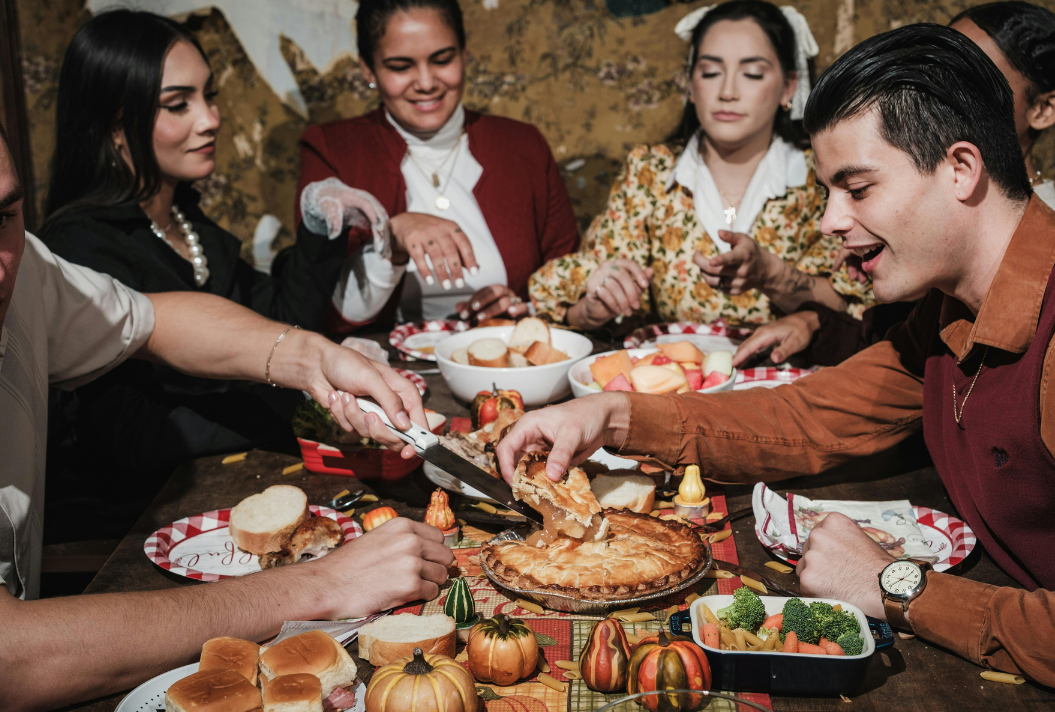
Birth certificates listing both spouses as parents
Adoption records showing both of you as legal parents
School or daycare forms listing both parents
Health insurance enrollment showing spouse and step‑children or children
Other family‑related evidence:
Records of shared responsibility for step‑children (custody agreements, school records, medical forms)
Evidence of time spent with each other’s extended families (holidays, travel, events)
If you do not have children, you can emphasize other forms of commitment and shared plans for the future (for example, wills, beneficiary designations, long‑term leases, or plans for relocation and careers).
Social, Religious, & Community Evidence
These documents and photos show how you present yourselves to the world.
Stronger social/religious/community evidence:
Wedding invitations, programs, or church/mosque/temple documents showing your ceremony
Membership records from religious communities, clubs, or organizations listing you as a couple or family
Photos over time with each other and with family and friends (holidays, birthdays, trips), with short captions explaining who is in the photo, the date, and the event
Screenshots of social media posts where you publicly acknowledge each other as spouses, over an extended period, not just around filing
Weaker social evidence:
Only posed wedding photos with no other events or people
Photo collages with no dates, names, or context
Social media posts created all at once right before filing
You can also add 2–4 short letters from friends or family who know both of you as a couple. Ideally, these letters describe how the writers met you, what they have observed about your relationship, specific events you shared, and why they believe your marriage is real.
Weak Evidence vs. Strong Evidence
Here is a simple way to think about the difference between “weak” and “strong” evidence in a marriage‑based case:
Weak evidence tends to be:
Recent, created just for immigration
One‑time or “snapshot” proof rather than showing a pattern over time
Copies with no clear link to both of you (for example, mail to one person only, with nothing tying the other spouse to that address)
Strong evidence tends to be:
Created in the normal course of life, long before you applied
Showing both names or clear, ongoing involvement by both spouses
Covering multiple areas of life: money, home, family, community, and plans for the future
If you are unsure whether your evidence is strong enough—or you just want a second set of eyes before you file—it can make a real difference to get guidance early.
At Hope Immigration, we help couples organize their evidence, identify any gaps, and present a clear, credible story of their relationship. Whether you need full representation or just a focused document review, the goal is the same: to help you move forward with confidence and avoid unnecessary delays or surprises.
You are welcome to schedule a consultation to discuss your case and decide what level of support makes sense for you.